It's a Hasbara World
Israel runs a highly sophisticated and successful propaganda campaign, in which Israel is always framed as well-meaning, innocent, misunderstood, and the perpetual victim of Muslim “terrorists” and antisemites.
These narratives permeate Western consciousness and are repeated constantly to justify whatever Israel chooses to do.
The campaign has yielded good results for many a long year, and there are no indications that it will stop anytime soon.
This campaign is known as “hasbara,” and it is backed up by all the might and ingenuity of the West, especially the United States of America, which spreads and sustains whatever hasbara puts out. In other words, Israel spreads the world with disinformation.
Hasbara is a Hebrew term meaning "explanation," widely understood as Israel's strategic propaganda and information campaign aimed at shaping public and international opinion in favor of Israeli policies and actions. It involves efforts to control, distort, and manipulate narratives about Israel's conduct, especially regarding conflicts such as those in Gaza.
Hasbara operates through multiple channels including traditional media, social media, videos, infographics, and viral posts, often disseminated or promoted by the Israeli state and affiliated organizations. It seeks to justify controversial actions, such as military attacks on Gaza that result in high civilian casualties, by shifting blame onto groups like Hamas and portraying Israel as a victim or underdog despite its military and political power.
Critically, Hasbara has been associated with disinformation tactics, including the spreading of false or exaggerated claims. For example, during the October 7 attacks, false allegations such as the beheading of Israeli babies by Hamas were circulated and later disproven, but they served to justify harsh Israeli military responses. Similarly, claims that UNRWA employees were involved in attacks led to significant funding withdrawals from the agency, impacting millions of Palestinians.
Hasbara also includes the use of unverified or manipulated evidence, such as alleged confessions from Hamas detainees or satellite images purportedly showing Hamas military use of civilian infrastructure, which critics argue are intended more to influence public opinion than to withstand independent scrutiny.
The campaign is a sophisticated and multi-layered information warfare effort involving Israel's intelligence services and private companies, designed to maintain Israel's image, discredit critics, and suppress narratives that highlight Palestinian suffering or Israeli violations of international law.
Thus, Hasbara functions as a tool for disinformation in Israel's actions in Gaza by deliberately spreading false or misleading information to shape public opinion and justify military operations. It operates through coordinated networks that disseminate diversionary narratives, manipulate media coverage, and provide talking points to supportive elites, particularly in the US and Europe.
Hasbara uses a multi-pronged strategy to spread pro-Israel propaganda.
Thus, Hasbara weaponizes lies, by spreading fabricated or debunked claims, such as videos alleging weapons or tunnels in Gaza hospitals, which are later disproven but succeed in reframing media debates to justify further attacks on civilian infrastructure.
There is always coordinated messaging, so that Israeli government ministries and agencies unify their narratives globally to present a consistent front that counters Palestinian accounts, reinforcing a singular pro-Israel message while Palestinian narratives remain fragmented.
The Palestinians undergo Dehumanization and delegitimization: Hasbara portrays Palestinians, especially groups like Hamas, as existential threats and terrorists, thereby justifying mass violence and civilian casualties as necessary self-defense. It also labels critics and human rights organizations as antisemitic to suppress dissent. Here, Hamas is often called “Nazis.”
There is use of unverified evidence. Israel releases satellite images and alleged confessions from Hamas detainees that lack independent verification but serve as propaganda tools to bolster its claims and counter accusations of war crimes.
As well, Hasbara leverages social media, search algorithms, and AI tools to amplify its narratives, controlling what information is presented to audiences and drowning out Palestinian voices and grassroots reporting.
In this way, global support for Palestinians is portrayed as a Muslim-only cause, undermining broader multi-ethnic solidarity movements.
Hasbara uses several main tactics to justify civilian casualties in Israel’s military actions in Gaza.
Thus, Hasbara repeatedly accuses Hamas of using civilian infrastructure—such as schools, hospitals, neighborhoods, and factories—as military bases and of employing Palestinian civilians as "human shields." This shifts responsibility for civilian casualties away from Israel and onto Hamas.
Israel circulates satellite images and excerpts of alleged confessions from Hamas detainees to support claims of Hamas military use of civilian areas. However, none of this evidence is independently verifiable and is seen as weaponized disinformation intended to counter public outrage rather than withstand scrutiny.
Israel issues unrealistic mass evacuation orders for residents of northern Gaza, framing these as efforts to protect civilians from harm. Critics argue this tactic provides Israel with a justification to attack civilian areas by claiming it warned people to flee, effectively whitewashing attacks on civilians.
Hasbara portrays Israel as fighting for national survival against a dangerous enemy, likening Hamas to a powerful threat that necessitates harsh military responses. This narrative transforms Palestinian civilian deaths into "collateral damage" in a justified war of self-defense.
Civilian casualties from Israeli bombardments are framed as necessary responses to Hamas rocket attacks and terrorism, portraying Israel’s actions as legitimate defense rather than disproportionate or indiscriminate violence.
Hasbara uses social media, viral videos, and targeted hashtags to spread these narratives widely, shaping global perceptions and drowning out Palestinian voices.
Together, these tactics function to obscure the reality of civilian harm, deflect international criticism, and maintain support for Israel’s military operations despite widespread evidence of disproportionate violence and violations of international law.
Critics see Hasbara as weaponized disinformation rather than a genuine explanation because it systematically distorts, fabricates, and manipulates facts to justify Israel’s controversial actions, especially in Gaza, rather than providing transparent or truthful accounts. While the term "Hasbara" literally means "explaining," in practice it functions as a propaganda machine designed to control and shape narratives by spreading granular event-by-event distortions and fabrications.
Key reasons for this critical view include:
Deliberate distortion and fabrication. Hasbara often involves spreading unverifiable or false claims, such as accusing Hamas of using hospitals and schools as military bases without independent evidence, or circulating alleged confessions from detainees that cannot be scrutinized. These are seen not as honest explanations but as tools to deflect criticism and justify civilian casualties.
Justifying the unjustifiable. Hasbara aims to legitimize excessive civilian deaths and attacks on civilian infrastructure by shifting blame onto Hamas and portraying Israel as a victim or underdog, despite its overwhelming military power and control over Gaza’s borders, airspace, and resources. This narrative is considered a deliberate distortion of reality.
Emotional coercion and moral blackmail. Hasbara employs emotional appeals by invoking victimhood and the specter of antisemitism, labeling critics as antisemitic or "self-hating Jews," thereby suppressing dissent and debate. This tactic is seen as a form of moral abuse rather than reasoned explanation.
Information warfare and sowing confusion. Israeli disinformation is produced at industrial scale to dehumanize Palestinians, justify mass violence, and create confusion and doubt, deliberately undermining calls for intervention or accountability. This weaponization of information is designed to erode truth and obstruct global responses.
Propaganda masquerading as explanation. Instead of fostering understanding, Hasbara serves as a public relations project and damage control mechanism to whitewash Israel’s image internationally, making it a strategic tool of state propaganda rather than neutral explanation.
Thus, Hasbara is not a genuine effort to explain Israel’s actions but a calculated campaign of disinformation and propaganda aimed at justifying military aggression, obscuring facts, demonizing opponents, and silencing criticism
Further, Israel portrays itself as the victim through Hasbara narratives by emphasizing a consistent theme of innocence and existential threat, framing its military actions as justified self-defense against irrational, hate-filled aggression from Palestinians, particularly Hamas.
Then, hasbara frames Israel as an innocent bystander.
Israel presents itself as the innocent party subjected to unprovoked, savage attacks by Palestinian militants. This framing casts Israel as a small, vulnerable democracy under siege by hostile forces, legitimizing harsh military responses as necessary defense.
Hasbara narratives stress Israel’s status as the “only democracy” in the Middle East that respects human rights and the rule of law, contrasting it with a “backward” and violent Palestinian “other.” This moral framing amplifies sympathy for Israel’s plight and justifies its actions as lawful and ethical.
Israel depicts Hamas and allied groups as existential dangers to its survival, emphasizing the need for global support to defend against barbarism and terrorism. This narrative justifies extensive military campaigns and civilian casualties as unavoidable in the face of such threats.
By portraying Palestinians as subhuman, savage, or vermin, Hasbara softens international criticism of Israeli violence and reinforces Israel’s victim status by implying that Palestinian suffering is a consequence of their own aggression or moral failings.
Israel conflates legitimate criticism of its policies with antisemitism, framing dissenters as motivated by hatred rather than genuine concern. This tactic protects Israel’s victim narrative by discrediting critics and silencing opposition.
Hasbara attempts to delegitimize global support for Palestinians by portraying it as a narrow Muslim cause, thereby isolating Palestinian narratives and reinforcing Israel’s victimhood in a broader international context.
Israel’s public diplomacy uses emotionally charged imagery and personal stories of Israeli victims to evoke empathy and overshadow Palestinian suffering, further entrenching the victim narrative.
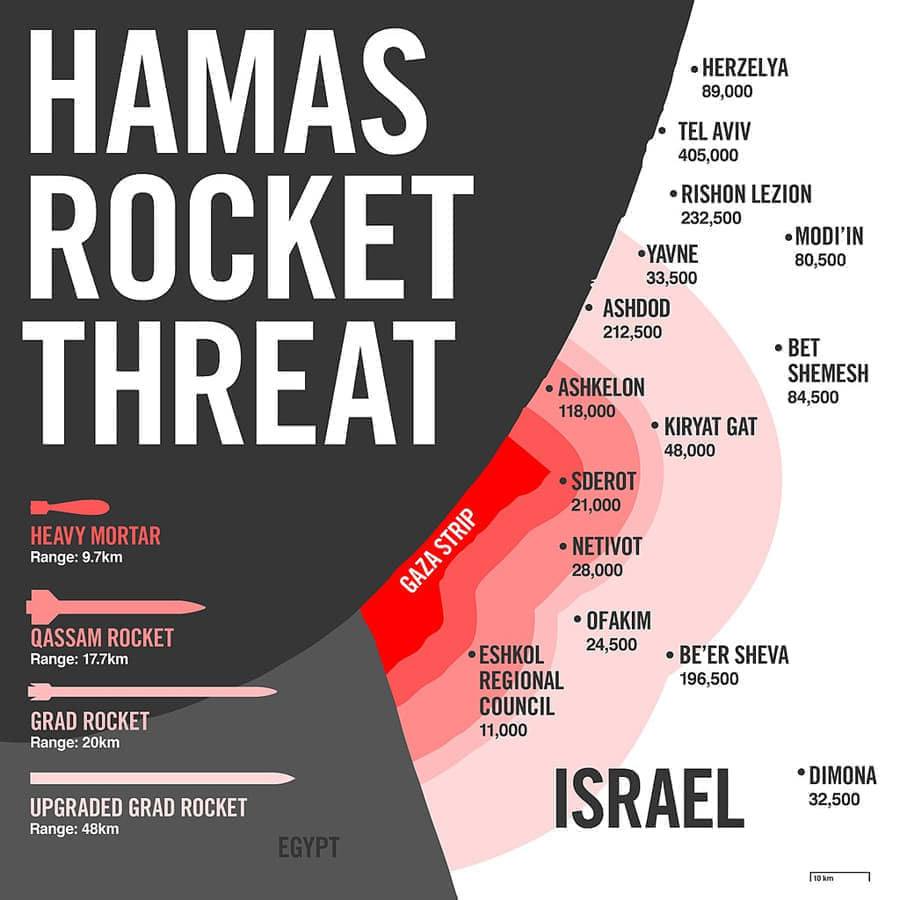
Hasbara also distorts the reality of Hamas and Gaza’s military capabilities in several deliberate ways to exaggerate the threat Hamas poses and justify Israel’s military actions.
Hasbara portrays Hamas as having advanced “command and control centres” and sophisticated military infrastructure, such as alleging that Gaza’s largest hospital, Al-Shifa, serves as a Hamas command hub. These claims lack independent verification and are widely seen as deliberate exaggerations designed to inflate Hamas’s capabilities and create a false equivalence with Israel’s overwhelming military power.
Israeli officials and Hasbara narratives have drawn direct parallels between Hamas and Nazi Germany, framing Hamas as a monstrous, existential threat. This comparison is intended to evoke extreme fear and justify harsh military responses, despite the vast disparity in military strength between Israel and Hamas.
Hasbara repeatedly accuses Hamas of embedding its military assets within civilian areas—schools, hospitals, factories, and neighborhoods—and of coercing civilians to remain in these zones. This narrative shifts blame for civilian casualties onto Hamas and obscures Israel’s responsibility for attacks on densely populated areas.
Hasbara deliberately confuses or distorts Hamas’s political and military motivations, reducing complex Palestinian resistance to mere terrorism. This simplification serves to delegitimize Hamas and Palestinian grievances, framing them solely as violent aggressors rather than actors responding to occupation and siege.
Israel disseminates satellite images, alleged confessions from Hamas detainees, and intelligence videos as “proof” of Hamas’s military use of civilian infrastructure. These materials are not independently verifiable and are viewed as propaganda tools rather than credible evidence.
By suggesting Hamas has military capabilities comparable to a modern army or a Nazi war machine, Hasbara creates a narrative that Israel is fighting a war for survival against a formidable enemy. This justifies disproportionate force and civilian casualties as necessary collateral damage in a battle against a powerful foe.
Hasbara is a state-driven propaganda and disinformation campaign by Israel aimed at justifying its policies and military actions, shaping global perceptions, and countering criticism, often through distortion, reduction, or fabrication of information.
But for some reasons, the West falls for all the usual tricks—all the time. In other words, the West is thoroughly brainwashed by hasbara.