The West's Democratic Discontent
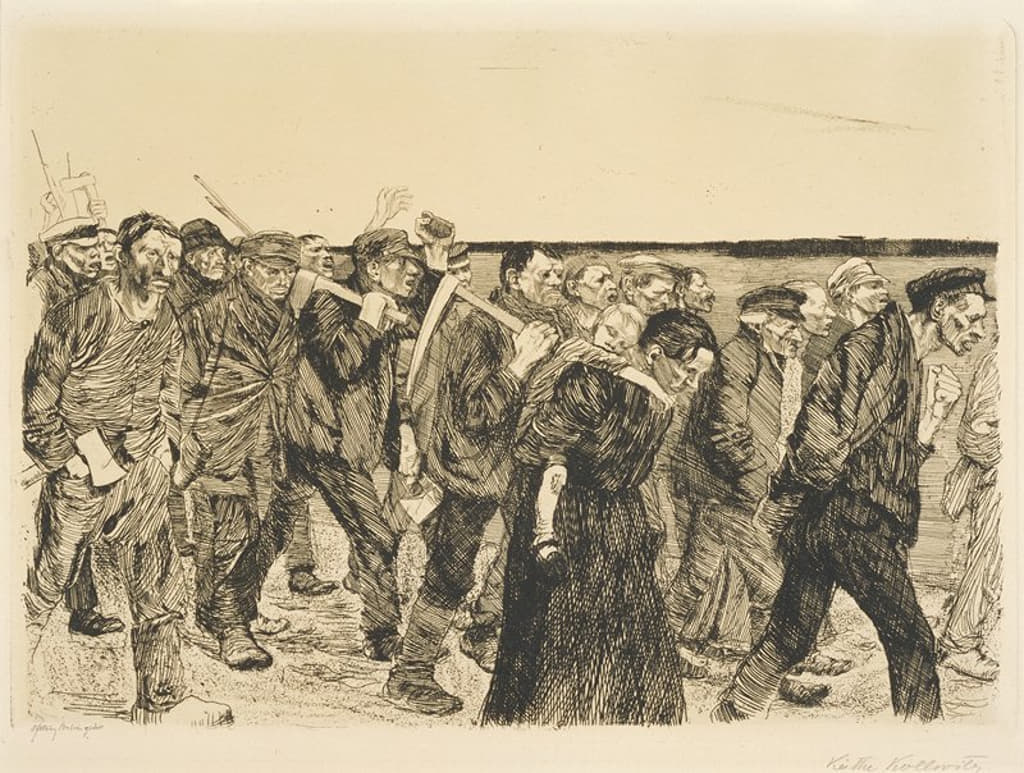
Democratic discontent in the West is widespread, driven by perceptions of ineffective governance, political fragmentation, and a sense that the system is not responsive to citizens’ needs. This dissatisfaction is fueling calls for reform and, in some cases, making populations more receptive to alternatives, including authoritarian solutions.
Surveys consistently show that a majority of citizens in Western countries believe democracy is working less well than it did five years ago. For example, in France, 74 percent of respondents said the situation had deteriorated, while in the United States, nearly 70 percent felt democracy was in decline. Only Sweden stands out as an exception, with a clear majority satisfied with their system.
Many Western voters believe the political system is “rigged” in favor of the rich and powerful, and that “radical change” is needed. This sentiment is accompanied by a strong demand for reform to make democracy more responsive to individual needs.
The decline of effective government is a major challenge, partly due to increased political fragmentation. Power is dispersed among more parties and groups, making it harder to forge policy and deliver results. This fragmentation fuels alienation and distrust, and can lead citizens to withdraw from participation or even endorse authoritarian alternatives.
In the European Union, dissatisfaction with democracy at the national and EU levels is high. While most citizens still support the EU project, many feel they have little influence over its decisions, and only small minorities are satisfied with how democracy works at the EU level.
In the United States, democratic backsliding has been linked to the erosion of rights, election subversion, and the concentration of political power. Recent administrations have also been criticized for undermining faith in elections and encouraging political polarization.
In this mix of dissatisfaction, multipolarity plays a crucial role, by contributing to a more unpredictable and volatile international system, which in turn increases both political instability and public dissatisfaction—especially as citizens and governments struggle to adapt to a rapidly changing global order.
Multipolarity is inherently more fluid and unpredictable than bipolar or unipolar systems. With multiple relatively equal powers, each seeks to maximize its own interests, leading to shifting alliances, heightened competition, and a greater risk of conflict. This dynamic creates fear and uncertainty, as states may be more willing to take risks to protect or expand their influence, increasing the likelihood of regional or even global instability.
The transition from a unipolar to a multipolar world places strain on international institutions and norms designed to prevent escalation and foster cooperation. As these global "guardrails" weaken, opportunistic actors—including revanchist politicians, warlords, and criminals—may fill the resulting power vacuums, further destabilizing regions and undermining global order.
Without a clear hegemon to deter aggression, smaller states or regional powers may engage in more assertive or aggressive behavior, leading to increased regional conflicts. This was observed in the 1930s, when multipolarity contributed to the outbreak of World War II.
The unpredictability and potential for conflict in a multipolar world can lead to public anxiety and dissatisfaction. Citizens may feel less secure as global and regional tensions rise, and as traditional sources of stability—such as strong alliances or international norms—erode.
As governments struggle to navigate a more complex and volatile international environment, they may appear ineffective or unresponsive to citizens’ needs. This can fuel public dissatisfaction with political institutions, especially if governments are seen as unable to provide security or economic stability.
The global sense of uncertainty and competition can spill over into domestic politics, exacerbating polarization. In many Western democracies, this has led to the rise of identity-based politics and populist movements, as citizens seek certainty and strong leadership in a changing world. This, in turn, can further erode trust in institutions and deepen societal divisions. Therefore, institutional dissatisfaction in the West has reached historically high levels, manifesting in declining trust in political, social, and economic institutions across the United States and Europe.
Trust in major institutions has eroded significantly—in the U.S., for example, trust in institutions has dropped by 22 percentage points since 1979. This erosion is closely tied to increasing political polarization, legislative gridlock, and a sense that institutions fail to act on citizens’ preferences.
As noted, many citizens view mainstream political parties and governments as ineffective and out of touch, leading to disenchantment and the rise of anti-establishment movements. The perception that institutions are failing to deliver on their promises—especially regarding fairness, equity, and responsiveness—has fueled anti-elite sentiment and a broader anti-institutional rebellion.
Economic and social crises, such as the 2008 financial crash and its aftermath in Europe and Covid, have undermined trust in national and supranational institutions. Additionally, technology and social media have amplified information bubbles and made it harder for citizens to determine trustworthy sources, further fragmenting public trust.
This dissatisfaction is reflected in rising support for non-traditional forms of governance—such as rule by experts or strong leaders—and skepticism toward representative democracy itself, particularly among younger generations. However, support for democratic values remains relatively high, even as trust in specific institutions continues to fall.
The West is not alone in experiencing institutional dissatisfaction; similar trends are visible in other regions, but the West’s established democracies are particularly notable for the speed and depth of this shift.
Restoring trust and legitimacy to Western institutions will require more than superficial reforms. There is a growing recognition that institutions need to be rebuilt in ways that foster both character and fairness, and that political parties must reconnect with voters and act both responsibly and responsively. The challenge is to balance the need for expertise and effective governance with the imperative of maintaining democratic accountability and public trust.
Consequently, Western citizens express frustration with their institutions in a variety of ways, reflecting both political and social discontent. Citizens increasingly back parties and leaders who promise to challenge or dismantle traditional institutions. Populist movements, found on both the left and right, tap into dissatisfaction with parliaments, the media, banks, and supranational bodies like the European Union.
Frustration is evident at the ballot box, where incumbent parties are frequently ousted and support for non-mainstream candidates surges. Voters often signal a desire for change, even if not always with a clear intent to dismantle democracy itself.
Discontent sometimes escalates into direct action, such as the Yellow Vests protests in France, where citizens took to the streets to voice outrage over perceived economic injustice and political disconnection. Citizens use digital platforms to criticize institutions, share grievances, and organize collective action. Social media amplifies feelings of exclusion and outrage, often framing politicians as out of touch or corrupt. Some resentful citizens advocate for alternative forms of political participation, such as referendums or citizen assemblies, as a way to circumvent traditional representative structures.
Surveys show falling trust in institutions and a growing sense that politicians are unresponsive, corrupt, or untrustworthy. Many citizens believe elections bring little change and that courts do not treat people fairly.
These expressions of frustration reflect a broader sense that institutions are failing to address citizens’ needs, protect their interests, or deliver on democratic values such as fairness and equality
Declining industrial regions are angrier at political systems primarily due to long-term economic decline, a sense of abandonment by political elites, and the breakdown of traditional social and institutional support structures.
Regions that once thrived on industrial activity have seen factories close, jobs disappear, and incomes stagnate or fall. This economic hardship creates widespread frustration and a sense that the political system has failed to protect their livelihoods. Residents of these regions often feel ignored by national governments and supranational actors, who are seen as withdrawing support or failing to deliver effective solutions to ongoing decline. This fuels resentment and a belief that the system no longer works for them.
The decline of unions, local governance, and civic associations—once central to incorporating workers and communities into mainstream political life—has left many feeling disconnected and politically marginalized. This collapse amplifies alienation and anger toward traditional political institutions.
Economic decline is often accompanied by cultural dislocation, as communities lose not only jobs but also a sense of identity and purpose. This can make residents more receptive to anti-establishment narratives and populist appeals, which blame elites and immigrants for their troubles.
When economic shocks occur, inadequate social safety nets and insufficient government support can further erode trust in the political system. Voters feel that politicians have not responded effectively to halt or reverse their decline.
The West is changing rapidly—what will emerge once this dissatisfaction coalesces to bring about deep change is difficult to know. But as this change takes place, there will be greater potential for violence.